What Went Wrong Find Mobile Locksmith Orlando
Stories about lockouts sound dramatic, but they teach practical lessons about preparation and decisions. After hundreds of service calls I can name the same five or six errors that make a lockout worse. There was one call where a frantic homeowner typed a search for locksmith near me in the middle of the night, believing the first result was automatic salvation, and that belief made the situation costlier and slower than it needed to be. This piece collects true-to-life scenes, realistic tips, and trade-offs I explain to callers so you can avoid being the next horror anecdote.
How a small mistake turns a lockout into a disaster.
Someone locked out will often make an impulsive choice that multiplies cost and time. People promise spare keys without confirming logistics, and callers end up assuming the spare will magically appear. I have patched hands and door frames after people tried to jimmy locks with screwdrivers and bobby pins.
Why online lock-picking tips are risky for novices.
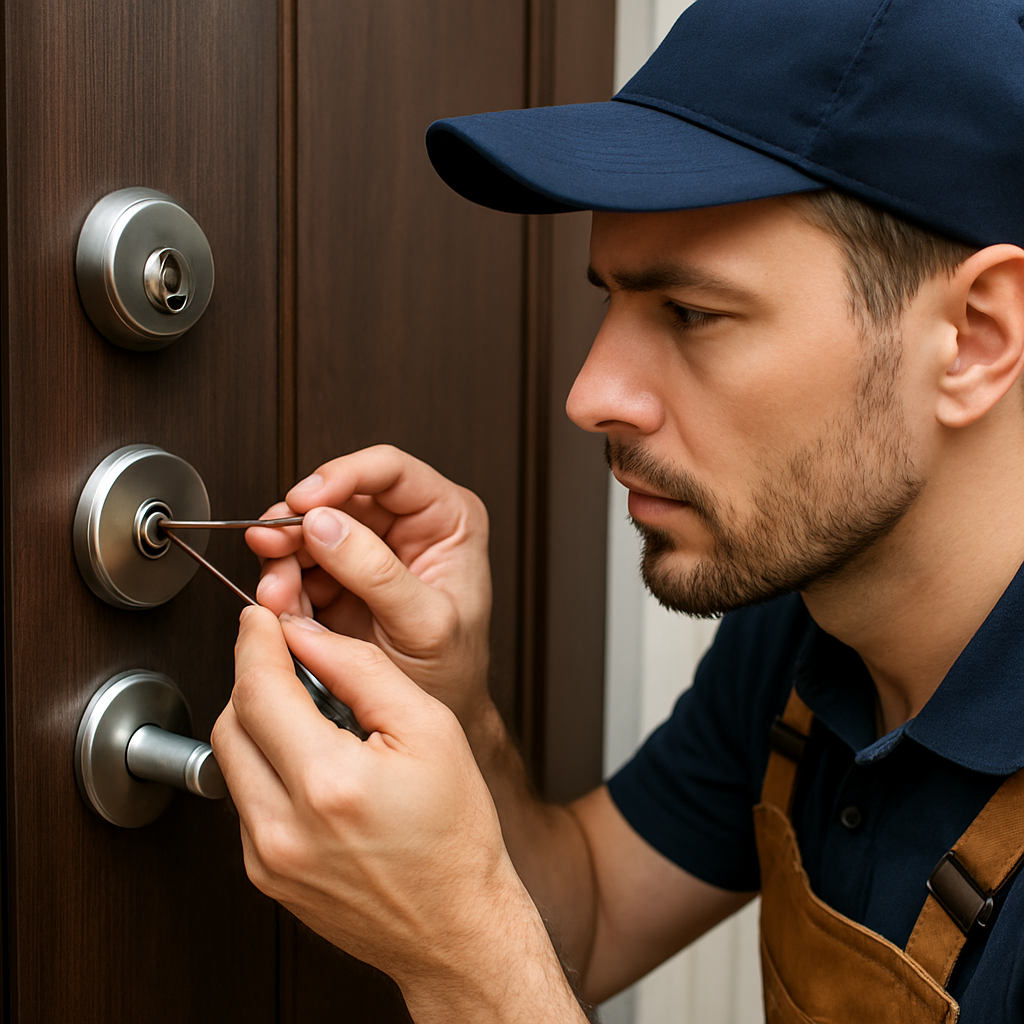
Short how-to clips make everything look simpler than it is. Before you act, consider calling a professional, or at least asking a pro for a quick procedural sanity check through a phone call and a few photos; a brief consult can save you broken hardware. I once arrived to find a "DIY entry" that had been reported to police because the homeowner's story had holes after neighbors watched the attempt.
Choosing a real pro over a shady operator.
Not every 24 hour locksmith listed online is fully licensed or honest. A real technician will usually ask for identifying details about the lock and the vehicle or door, and may request photo attachments to estimate time and tools. If a company insists you pay the full amount before arrival with no proof of identity, that is a red flag.
Car lockouts that become expensive lessons.
If the situation involves a child or animal, treat it as an emergency and tell the dispatcher immediately. If you are unsure of the exact model or trim, send a photo of the key or dash when possible; it saves fifty percent of miscommunication. Some people assume a locksmith will bypass an immobilizer or reprogram a modern key without replacing it; that can be expensive, so ask about key programming costs up front.
How leases complicate the easiest solutions.
I've responded to calls where a tenant's "quick fix" cost them their security deposit and a lease penalty. If you are renting, have a named emergency contact or a clause in the lease that outlines lockout procedures; that clarity removes guesswork when a tenant is panicked. If you need quick help and your landlord is unreachable, a licensed locksmith will usually require proof of residency or ID before working; be ready with documentation to avoid a longer wait.
What I recommend keeping in your car or bag.
Include a spare mechanical key, a portable phone charger, a printed copy of emergency contacts, and a flashlight in your vehicle or daily bag. A spare key kept with a trusted neighbor or in a secure lockbox avoids half the calls I get at night; set clear expectations about accessibility and costs so your neighbor can help without confusion. A wallet card with your preferred locksmith's contact and basic medical or emergency info is an underrated detail; it speeds help when you are stressed and forget names.
Pricing, transparency, and what to expect on the bill.
Locksmith pricing often has a base fee plus variable charges for complexity, time, and special hardware. If the lock needed to be drilled, the receipt should say so and list the replacement part and warranty terms. When possible, get a second verbal quote over the phone and compare; a real technician will be patient and explain alternatives such as non-destructive entry versus cylinder replacement.
When a locksmith is not the right first call.
I've stood on scenes where a locksmith arriving before police compromised evidence or created safety risks. If the locksmith is unsure about ownership, they may refuse service until a clear resolution is provided.
When patience is the best tool.
Schedule non-urgent cylinder replacements or rekeys for daytime appointments. If you choose to wait, notify someone of your location and keep your phone charged. A good dispatcher will say, "We can send someone now, it will cost X, or we can schedule for morning at Y."
Which repairs typically happen on a single visit.
If you need key programming for a vehicle, expect an additional 15 to 45 minutes for programming and testing depending on manufacturer. Emergency calls should focus on access; longer projects get planned separately. Ask about parts life expectancy so you can plan the right balance between expense and reliability.
Short anecdotes and what they teach.
The lesson is to signal urgency and verify identity so help arrives fast. If the caller had described the aftermarket hardware earlier, we would have brought the proper kit and saved time. A teenager who watched a pick-a-lock video tried to unlock the family house, broke the internal mechanism, and then faced the full cost of replacing the entire door hardware set.
What to do the moment you realize you're locked out.
If the spare is nearby but the person needs a few minutes, confirm a realistic ETA and consider whether you can wait safely. Third, if children or pets are involved, tell the dispatcher immediately transponder key programming so they mark the call as high priority. Finally, verify the technician's name, vehicle description, and a partial license plate before letting anyone start work; do not invite unvetted people into your home or let them work unattended.
Cost, security, and practicality.
Replacement makes sense if the lock shows significant wear, corrosion, or previous forced entry damage. Balance security upgrades against budget and your tolerance for future maintenance. Ask the technician to show you the wear on the old part and explain expected lifespan of the suggested replacement; a short demonstration builds trust.
Practical habits to adopt.
A five-minute monthly routine prevents dozens of late-night dramas. If you manage a rental or a property with multiple users, maintain a documented key roster and change codes or rekey Florida when tenants move out; that administrative step avoids disputes and unauthorized access later. Finally, invest in education: understand the basic difference between a rekey, a replacement, and key programming so you ask the right questions under stress.
When things go wrong despite precautions.
If you suspect overcharging or shoddy work, request a written invoice and ask for itemized explanations of labor and parts. If the technician is unwilling to honor a promised warranty, escalate to a manager before involving third parties. Keep receipts and any parts removed by the technician until you are certain the issue is resolved; they sometimes contain information valuable to future repairs or insurance claims.
What to keep in mind when you call for help.
If privacy or evidence is a concern, call the police first. Trade-offs you will face include speed versus cost, non-destructive entry versus long-term security, and DIY risk versus professional expense; pick the priorities that match the situation and your budget. If you want a single place to start, search for locksmith Orlando and compare credentials and reviews before the emergency occurs.
A little planning reduces stress, saves money, and keeps your doors and property intact. If you remember nothing else, keep a spare key with a trusted contact, verify any technician's identity before they work, and prioritize safety over haste.